Dozens of toys recalled in the UK after asbestos found in play sand
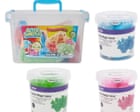
Candle-making kits and rubber toys among products recalled after revelation about play sand sold by Hobbycraft More than 30 children’s toys have been recalled in the UK after the Guardian revealed that play sand sold by Hobbycraft was contaminated with asbestos. Over the past three months, other children’s products ranging from candle-making kits to stretchy rubber toys have been recalled by retailers including Tesco, Primark, Matalan and M&S after being found to contain the substance. Continue
Full article excerpt tap to expand
Kmart sand products were recently recalled. Photograph: ACCC Product SafetyView image in fullscreenKmart sand products were recently recalled. Photograph: ACCC Product SafetyProduct recallsDozens of toys recalled in the UK after asbestos found in play sandCandle-making kits and rubber toys among products recalled after revelation about play sand sold by HobbycraftAnna TimsMon 27 Apr 2026 01.00 EDTSharePrefer the Guardian on GoogleMore than 30 children’s toys have been recalled in the UK after the Guardian revealed that play sand sold by Hobbycraft was contaminated with asbestos.Over the past three months, other children’s products ranging from candle-making kits to stretchy rubber toys have been recalled by retailers including Tesco, Primark, Matalan and M&S after being found to contain the substance.Asbestos can cause cancer in later life if inhaled and the UK prohibits the sale of products containing it in any quantity. It is thought that the affected toys all contain sand from mines in China where asbestos fibres can occur naturally and where labelling rules are less rigorous.In January, the Guardian reported that Hobbycraft had withdrawn its Giant Box of Craft kits from sale after a customer alerted it to asbestos traces in the bottles of coloured sand. The store said UK authorities had not warned of a risk and there was no evidence of harm to customers.After that story, the Office for Product Safety and Standards (OPSS) issued an advisory note for traders about the most reliable tests, and since then labs have reported a surge in requests from stores and manufacturers.The consumer group Which? said the number of recalls in the last three months pointed to a serious failure in safety checks.“The Office for Product Safety and Standards needs to take action and ensure proper checks are being carried out to keep dangerous products off the shelves,” said Sue Davies, Which?’s head of consumer protection policy. “It should also examine whether toys containing asbestos are being sold on online marketplaces where there is far more limited regulation.”Traders have called into question the lab testing methods commonly used by the industry at the point of the Hobbycraft recall, as they failed to detect small quantities of asbestos. Products that had been certified as safe were found to be contaminated when they were sent for the more reliable type of test.Contaminated play sand had in November already prompted government recalls and the closure of schools and nurseries in Australia and New Zealand. However, similar products remained on sale in high street stores and online platforms in the UK and Europe.Hobbycraft issued a national recall of the craft box two days after the Guardian’s exposé. Customers were instructed to seal the contaminated bottles in double bags and seek council advice on disposal. It has since recalled four further craft sets containing sand.Cosmeticorexia: a worrying obsession with flawless skin or just a new term for an old problem?Read moreCampaigners have criticised the UK government for failing to crack down on potentially hazardous toys after the Australian recalls. “It took an article in the Guardian to force the UK authorities to engage with the potential threat to public health,” said Laurie Kazan-Allen, of the International Ban Asbestos Secretariat. “The UK recalls since then are a result of individual tests carried out by manufacturers and sellers and not of testing by the UK authorities.”Post-Brexit health and…
This excerpt is published under fair use for community discussion. Read the full article at the Guardian.
Discussion
More from the Guardian