GoDaddy Gave a Domain to a Stranger Without Any Documentation
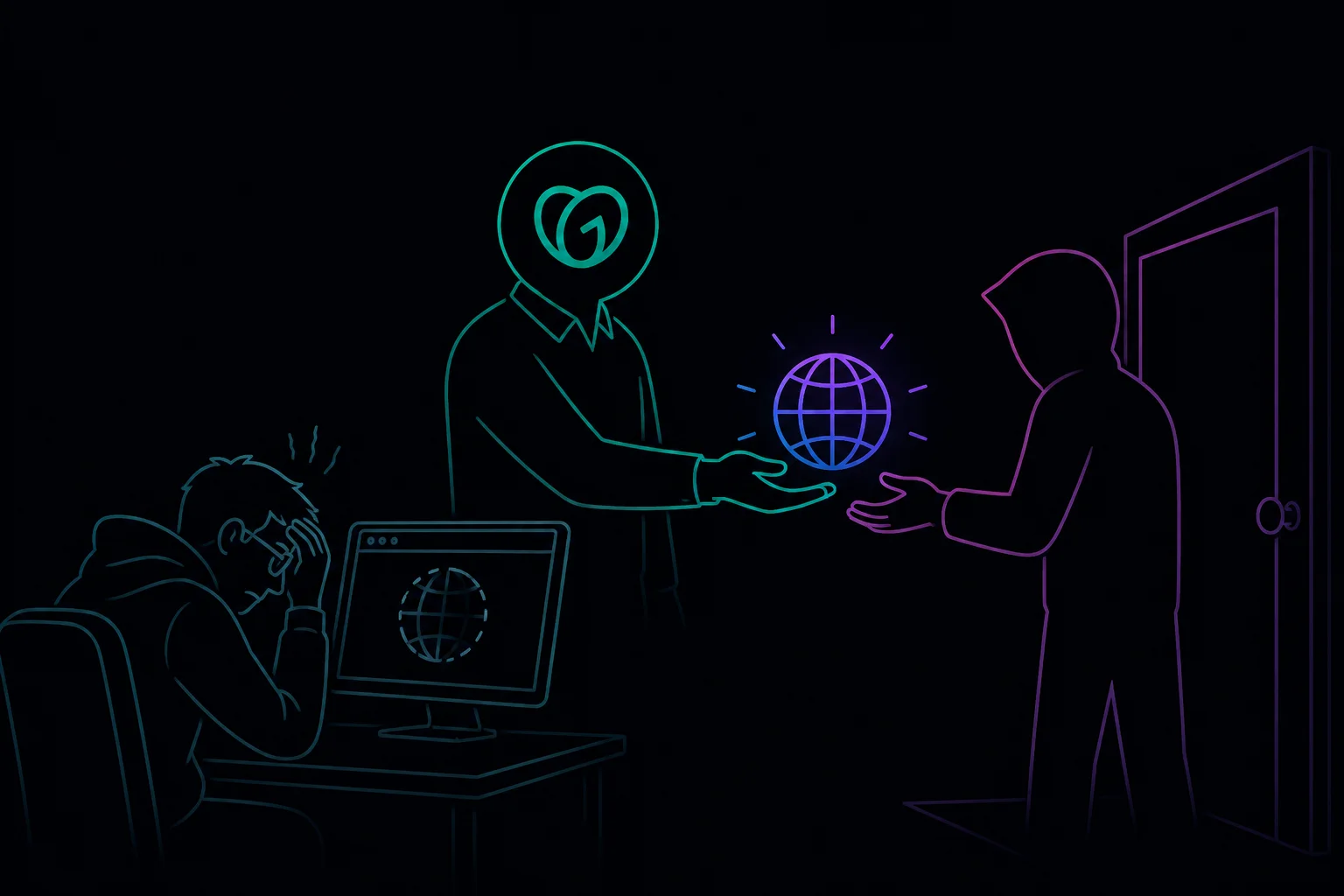
A 27-year-old domain used by a national nonprofit was transferred without authorization from its owner's GoDaddy account to a stranger's account, taking down email and websites for all affiliated chapters. Despite having full security protections enabled, including two-factor authentication and domain ownership protection, GoDaddy completed the transfer internally with no validation. After four days of unresponsive support and failed dispute attempts, the domain was returned not by GoDaddy, but by the recipient—a well-meaning stranger who noticed the error and contacted the rightful owners. The incident exposed serious flaws in GoDaddy’s domain recovery and dispute resolution processes.
Full article excerpt tap to expand
What would you do if your organization had used a domain name for 27 years, and the registrar holding the domain seized it without any advance warning? All email and websites went dark. The company’s tech support spent four days telling you to “Just wait, we are working on it.” On the fourth day, the company informed you that someone else has the domain now, and it is no longer yours. Read on. This crazy story happened exactly one week ago. My friend Lee Landis is a partner in Flagstream Technologies, a local IT firm in Lancaster, PA. Last Saturday afternoon one of his client’s domains vanished from his GoDaddy account. Lee is one of the most competent IT guys I know. The GoDaddy account had dual two-factor authentication enabled, requiring both an email code and an authentication app code to log in. The domain itself had ownership protection turned on. The audit log just said “Transfer to Another GoDaddy Account” by an “Internal User” with “Change Validated: No.” Some names have been changedSome names and the domain itself have been changed because people wanted to remain anonymous. The pattern of the domain names mirrors the actual mistake, so the explanation still makes sense. Every fact in this post is true. Lee has hard evidence for every one of them. As you can see above, GoDaddy emailed Flagstream at 1:39pm that an account recovery had been requested. Three minutes later, the transfer was initiated. Four minutes later, it was complete. On a Saturday afternoon. Everything at the impacted organization went offline because GoDaddy reset the DNS zone to default when they moved the domain into the new account. Same nameservers. Empty DNS zone file. Lee’s client lost their website and email for the next four days. 27 yrsDomain in active use 32Calls to GoDaddy 9.6 hrsOn the phone with GoDaddy 17Emails to GoDaddy. Zero callbacks. Domain and account were fully protected. The domain had the “Full Domain Privacy and Protection” security product that GoDaddy sells. Dual two-factor on the account. None of it mattered. The transfer was done by an “Internal User” inside GoDaddy. The domain was HELPNETWORKINC.ORG. The real domain name has been changed because the organization wanted to remain anonymous. It belongs to a national organization with twenty locations across the United States. The domain has been in active use for 27 years. Each chapter runs its website and email on a subdomain of that one parent domain. When HELPNETWORKINC.ORG went dark, every chapter went dark with it. Thirty-two calls. 9.6 hours on the phone. Zero callbacks. Lee called GoDaddy on Sunday. They confirmed the domain was no longer in his account but could not say where it went due to privacy concerns. They told him to email undo@godaddy.com. He did but did not receive any type of response when emailing that address. Of course Lee didn’t really feel like this was the appropriate level of urgency for this issue. He asked for a supervisor who was even less helpful. Lee was not happy. He may have said some hurtful things to GoDaddy’s support personnel during this call. That first call lasted 2 hours, 33 minutes, and 14 seconds. On Monday morning, Lee and a coworker started working in earnest on this issue because there was still no update from GoDaddy. Calling in yielded a different agent who told Lee to email transferdisputes@godaddy.com instead. By Tuesday the address had changed again to artreview@godaddy.com. The instructions shifted by the day. It seemed like every…
This excerpt is published under fair use for community discussion. Read the full article at Anchor Hosting.
Discussion
More from Anchor Hosting