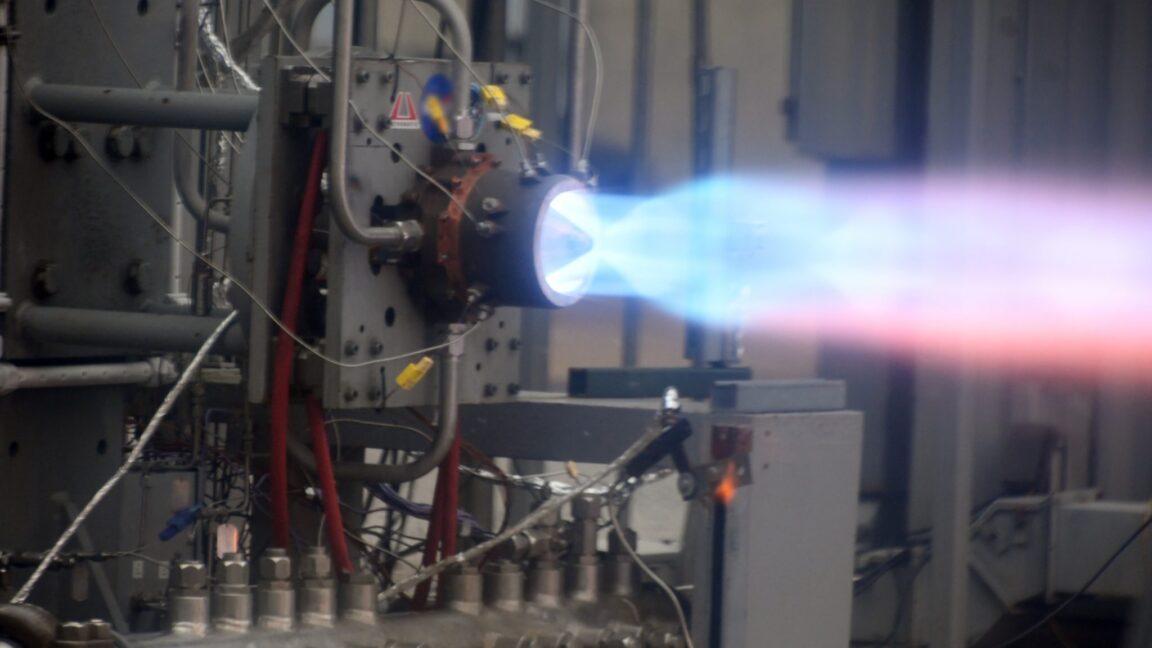
Well, this is embarrassing: The Lunar Gateway's primary modules are corroded
"Preliminary findings indicate that the issue likely results from a combination of factors."
Full article excerpt tap to expand
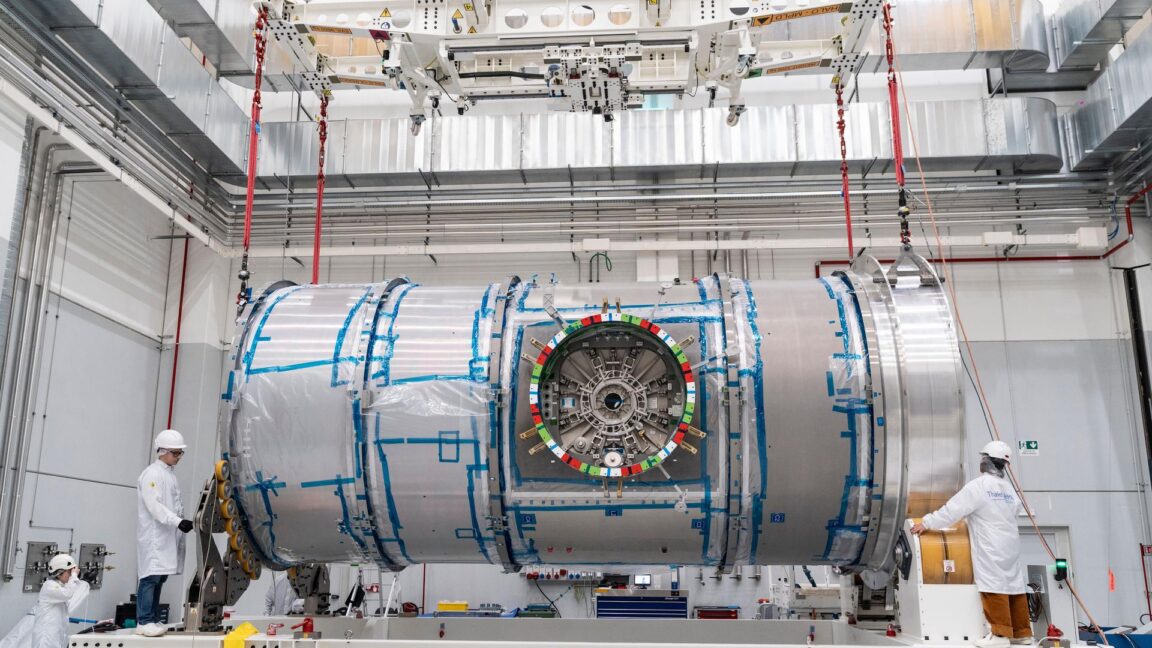
That’s not good Well, this is embarrassing: The Lunar Gateway’s primary modules are corroded “Preliminary findings indicate that the issue likely results from a combination of factors.” Eric Berger – Apr 24, 2026 10:47 am | 147 Technicians prepare the HALO module for transport at the Thales Alenia Space facility in Turin, Italy. Technicians prepare the HALO module for transport at the Thales Alenia Space facility in Turin, Italy. Text settings Story text Size Small Standard Large Width * Standard Wide Links Standard Orange * Subscribers only Learn more Minimize to nav For a decade, NASA promoted the idea of building a space station around the Moon known as the Lunar Gateway. It touted the facility as both a platform for exploring the lunar environment and testing the technology needed for deep-space habitation. Like many major space projects, it faced delays. Originally, the first component of the space station was due to launch in 2022. Later, it was decided that this module, to provide power and propulsion, would launch in tandem with a habitable volume known as the Habitation and Logistics Outpost (HALO) in 2024. This core was slated to be joined by another pressurized habitation module contributed by international partners I-HAB in 2026. These dates, of course, have come and gone. And in March, NASA Administrator Jared Isaacman announced that the Gateway was being “paused” so the space agency could focus on the lunar surface. The decision to end the Gateway experiment is entirely justifiable—NASA and its partners were spending billions of dollars to make it more difficult to reach the lunar surface and faced the prospect of watching Chinese astronauts wander around on the Moon from orbit instead of being there themselves. But this week, we learned another reason that Gateway is going away, and it’s pretty shocking. Came out during Congressional testimony During testimony before the US House Committee on Science, Space, and Technology, Isaacman faced questions about NASA’s budget. As House members often do, Rep. Suhas Subramanyam, D-Virginia, asked about parochial matters. His district includes major elements of Northrop Grumman, the primary contractor for the HALO module. “You’ve also canceled an order for the Habitation and Logistics Outpost,” Subramanyam said. “Do you know what will happen to that large investment that was made?” Since the demise of Gateway, Northrop has been pushing NASA to re-purpose the HALO module for use on the lunar surface as part of the space agency’s Moon base. “I appreciate the contributions and look forward to working with them on how we could potentially repurpose hardware to surface applications,” Isaacman replied. But he did not stop there. He then publicly confirmed rumors (reported last month by Ars) that there is corrosion in both the HALO and I-HAB modules of the Gateway. “The only two habitable volumes that were delivered—both were corroded,” Isaacman said. “And that’s unfortunate because it would have delayed, probably beyond 2030, the application of Gateway.” How could both a module being provided by Northrop Grumman, a major US defense contractor, and I-HAB from Europe be corroded? It seems like a fantastic claim. However, half a dozen sources who worked on or near the Lunar Gateway program confirmed to Ars that the corrosion Isaacman mentioned was real and serious. In a statement, Northrop confirmed the issue as well. “Using NASA-approved processes, Northrop Grumman is completing repairs to…
This excerpt is published under fair use for community discussion. Read the full article at Ars Technica - All content.
Discussion
More from Ars Technica - All content